This has proved true over a range of commonly used battery sizes, down to the tiny single cells used in micro fliers, and hopefully can be extended by others experience
Nodular melanoma is the most dangerous form of skin cancer
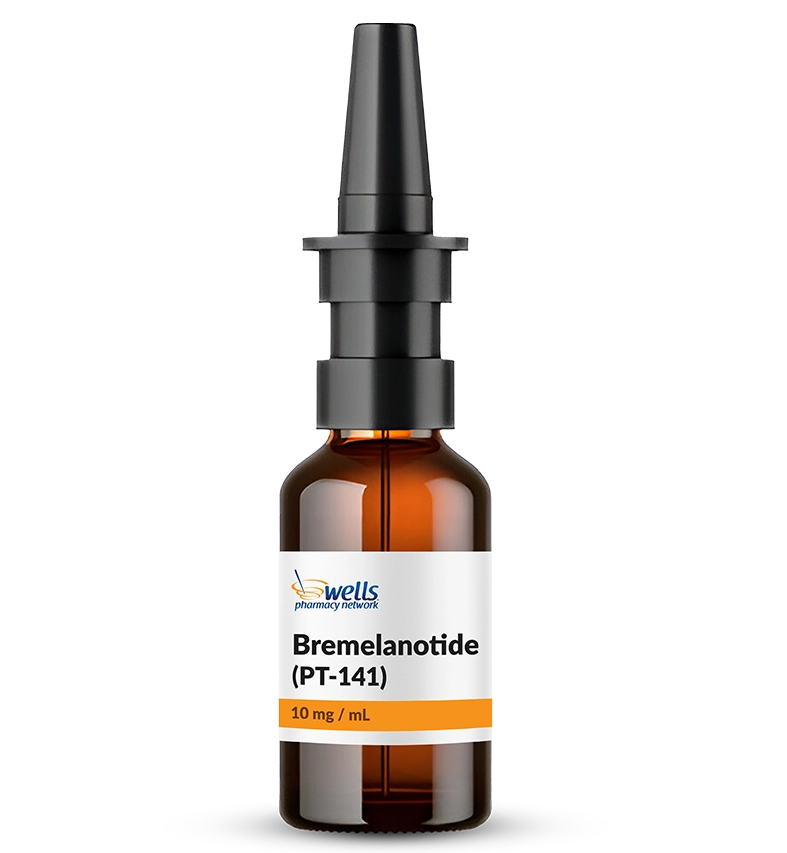
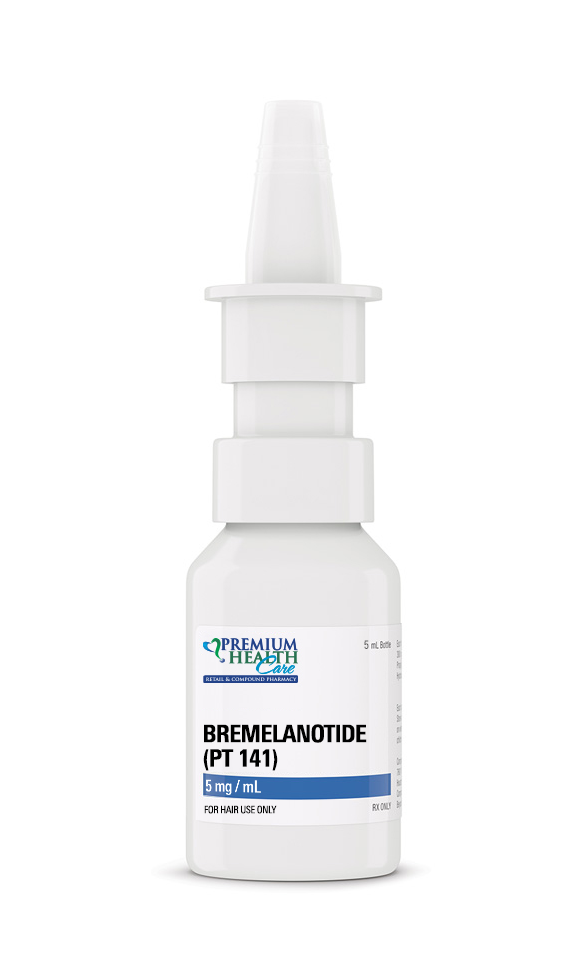
Calculating concentration and dose Standard PT-141 concentration: 10mg PT-141 + 2ml water = 5mg/ml This is ideal concentration for dosing Alternative: 10mg + 1ml = 10mg/ml (more concentrated, smaller injection volume) Most use 5mg/ml for easier dosing calculations Dose calculation formula: Desired dose (mg) Concentration (mg/ml) = Volume to inject (ml) Example: Want 1.5mg dose, have 5mg/ml concentration 1.5mg 5mg/ml = 0.3ml 0.3ml = 30 units on insulin syringe (1ml = 100 units) Common PT-141 doses: Concentration alternatives: More concentrated (10mg + 1ml = 10mg/ml): Pros: Smaller injection volume, vial lasts longer Cons: Harder to measure small doses accurately Example: 1.5mg dose = 0.15ml (15 units) More dilute (10mg + 4ml = 2.5mg/ml): Pros: Easier precise dosing, gentler injection Cons: Larger injection volume, more water needed Example: 1.5mg dose = 0.6ml (60 units) Recommendation: 5mg/ml standard (10mg + 2ml) works best Easy calculations Reasonable injection volumes Accurate dosing possible Most peptide protocols use this Use our peptide calculator for instant dose calculations

Bacteria within the gastrointestinal tract microbiota correlated with improved growth and feed conversion: Challenges presented for the identification of performance enhancing probiotic bacteria
Generally, a research may need reference materials like: Bacteriostatic Water (30mL) Insulin Syringes (0.5 cc/mL x 29g x ) Alcohol Prep Pads Sterile Empty Glass Vial (10mL) Large Needles + Syringes Combo (3cc x 21g x 1) As a researcher, sourcing reference materials and supplies to conduct study is something familiar