Vol. XVIII · Free shipping $75+ · Read the collection
Feature · Product Review
interaction of haloacetonitriles with glutathione and glutathione-s-transferase

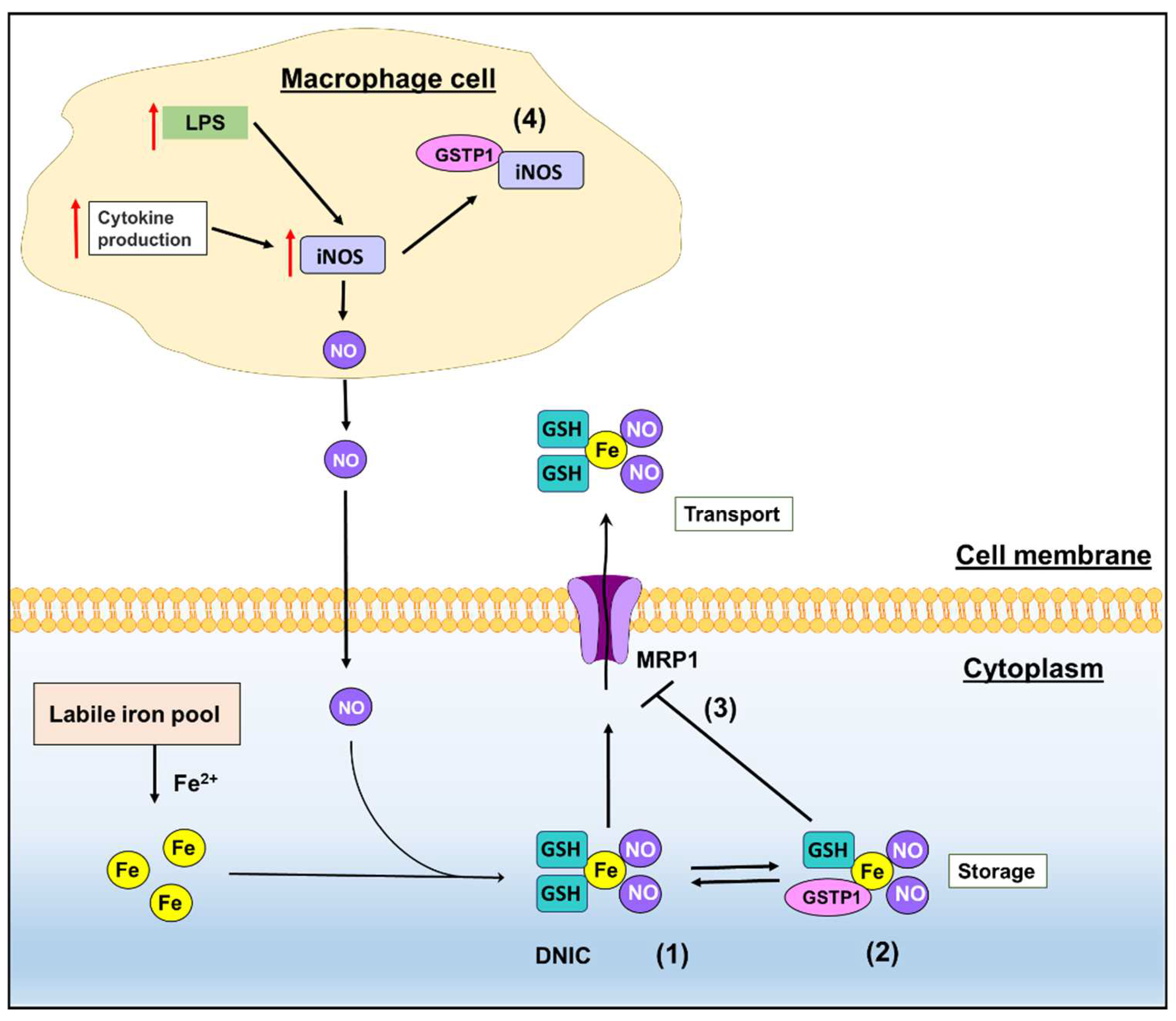
interaction of haloacetonitriles with glutathione and glutathione-s-transferase Glutathione-S-Transferases as Potential Targets for Modulation Nitric Oxide-Mediated Vasodilation Comparative Quantitative Toxicology and QSAR

Comparative Quantitative Toxicology and QSAR Modeling of the Haloacetonitriles: Forcing Agents of Water Disinfection Byproduct Toxicity Environmental Science & Technology PDF) Erythrocyte glutathione S Transferase activity in human administered with five antimalarial drugs Overexpression of Glutathione S Transferases in Human Diseases: Drug Targets and Therapeutic Implications Characterization of Mechanisms of Glutathione Conjugation with Halobenzoquinones in Solution and HepG2 Cells Environmental Science & Technology Exploring glutathione S transferases for the kinetic resolution of aliphatic epoxides ScienceDirect

SKU: 21715089891 · From psychiatrist-in-kuwait.com

4.9
USD28.87 USD49.87

Pay in 4 interest-free payments of $7.22 Learn more

Shipping Estimate
USA
  • USA
  • CAN

Ships within 48 hours · Estimated delivery Aug 2 - Aug 7

Description

Recent progress on the isolation and detection methods of exosomes

interaction of haloacetonitriles with glutathione and glutathione-s-transferase Glutathione-S-Transferases as Potential Targets for Modulation Nitric Oxide-Mediated Vasodilation Comparative Quantitative Toxicology and QSAR

[1] Chelation therapy has a long history of use in clinical toxicology [2] and remains in use for some very specific medical treatments, although it is administered under very careful medical supervision due to various inherent risks, including the mobilization of mercury and other metals through the brain and other parts of the body by the use of weak chelating agents that unbind with metals before elimination, exacerbating existing damage

interaction of haloacetonitriles with glutathione and glutathione-s-transferase Glutathione-S-Transferases as Potential Targets for Modulation Nitric Oxide-Mediated Vasodilation Comparative Quantitative Toxicology and QSAR

Side Effects to Know Answer: When prescribed and monitored by a clinician, side effects are generally mild and may include injection-site reactions, temporary water retention, flushing, or lightheadedness

interaction of haloacetonitriles with glutathione and glutathione-s-transferase Glutathione-S-Transferases as Potential Targets for Modulation Nitric Oxide-Mediated Vasodilation Comparative Quantitative Toxicology and QSAR

At baseline, the average glutathione levels in uninfected controls were 28percent higher than the HIV-positive group with CD4+ counts over 200

interaction of haloacetonitriles with glutathione and glutathione-s-transferase Glutathione-S-Transferases as Potential Targets for Modulation Nitric Oxide-Mediated Vasodilation Comparative Quantitative Toxicology and QSAR

Regarding PAHs, while glucuronidation by UGT enhances their solubility for excretion, some incompletely metabolized PAH products may persist and bind to bladder DNA, forming adducts that increase the risk of mutations and the development of bladder cancer (Bock et al., 1999

interaction of haloacetonitriles with glutathione and glutathione-s-transferase Glutathione-S-Transferases as Potential Targets for Modulation Nitric Oxide-Mediated Vasodilation Comparative Quantitative Toxicology and QSAR
Exchange/Return Notes
  • We offer a 30-day return/exchange service after receiving.
  • Final sale items are not eligible for returns or exchanges.
  • To process your return/exchange, please contact us at [email protected]
  • Please click here for more details>>> Return & Exchange Policy

You may also like

EVL

US$ 27.70

4.8 (23 reviews)

recommand products