Vol. XVIII · Free shipping $75+ · Read the collection
Feature · Product Review
bpc 157 intervertebral disc regeneration study

bpc 157 intervertebral disc regeneration study The Hidden Risks of BPC‑157: What Patients Need to Know About Contamination and Safety Frontiers | Tissue engineering strategies

Frontiers Tissue engineering strategies for treating intervertebral disc degeneration Regenerative potential of mouse neonatal intervertebral disc depends on collagen crosslink density: iScience Stable Gastric Pentadecapeptide BPC 157Possible Novel Therapy of Glaucoma and Other Ocular Conditions Regeneration or Risk? A Narrative Review of BPC 157 for Musculoskeletal Healing PMC Therapeutic Peptides in Orthopaedics: Applications, Challenges, and Future Directions PMC

SKU: 24317888348 · From psychiatrist-in-kuwait.com

4.0
USD21.15 USD59.15

Pay in 4 interest-free payments of $5.29 Learn more

Shipping Estimate
USA
  • USA
  • CAN

Ships within 48 hours · Estimated delivery Aug 3 - Aug 8

Description

You're exhausted for no clear reason, struggling to focus, and walking around in a mental haze that won't lift

bpc 157 intervertebral disc regeneration study The Hidden Risks of BPC157: What Patients Need to Know About Contamination and Safety Frontiers | Tissue engineering strategies

The role of peptides in inflammation management

bpc 157 intervertebral disc regeneration study The Hidden Risks of BPC157: What Patients Need to Know About Contamination and Safety Frontiers | Tissue engineering strategies

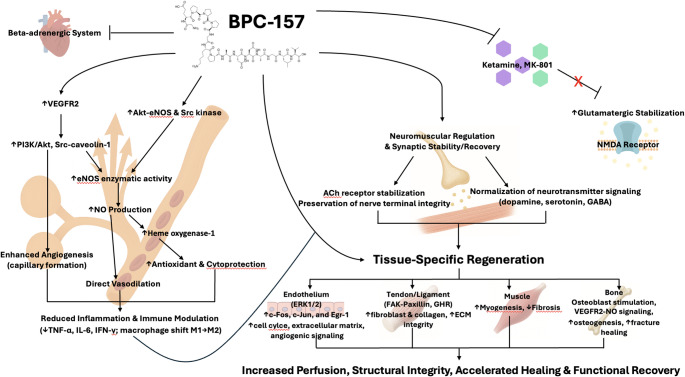
Preclinical Research Summary Preclinical research on BPC-157 has been conducted primarily in animal models designed to investigate tissue repair and regenerative biological processes

bpc 157 intervertebral disc regeneration study The Hidden Risks of BPC157: What Patients Need to Know About Contamination and Safety Frontiers | Tissue engineering strategies

This ensures peptides are safe and appropriate for you

bpc 157 intervertebral disc regeneration study The Hidden Risks of BPC157: What Patients Need to Know About Contamination and Safety Frontiers | Tissue engineering strategies

This hormonal cascade works as follows: The hypothalamus releases gonadotropin-releasing hormone (GnRH) GnRH signals the anterior pituitary to release luteinizing hormone (LH) and follicle-stimulating hormone (FSH) LH stimulates the Leydig cells to produce testosterone Rising testosterone feeds back to the hypothalamus and pituitary to regulate production (negative feedback loop) Testosterone is responsible for: Muscle protein synthesis and lean body mass maintenance Bone mineral density Red blood cell production Libido and sexual function Energy, mood, and cognitive function Fat distribution and metabolic health Normal total testosterone in adult men ranges from approximately 300 to 1,000 ng/dL, with levels declining by roughly 1 to 2 percent per year after age 30 (Harman et al., 2001)

bpc 157 intervertebral disc regeneration study The Hidden Risks of BPC157: What Patients Need to Know About Contamination and Safety Frontiers | Tissue engineering strategies
Exchange/Return Notes
  • We offer a 30-day return/exchange service after receiving.
  • Final sale items are not eligible for returns or exchanges.
  • To process your return/exchange, please contact us at [email protected]
  • Please click here for more details>>> Return & Exchange Policy

You may also like

EllieMD

US$ 27.91

4.0 (14 reviews)

recommand products