Heres how Epithalon measures up against some of todays top therapeutic peptides: Main Benefit of NAD+: Main Benefit of Epithalon: Best for You If: Epithalon is best for clients focused on biological aging, immune function, and restorative sleep Main Benefit of BPC-157: Epithalon Focus: Best for You If: Main Benefit of Semaglutide: How Epithalon Differs: Best for You If: CJC/Ipamorelin Combo: Epithalons Edge: Best for You If: Our functional providers specialize in helping you cut through the confusion and match the right therapies to the right goals
Sunburn follows a clear pattern matching sun exposure, with sharp lines where clothing provided protection
This is where the 1.0 mL syringe loses precision compared to smaller sizes
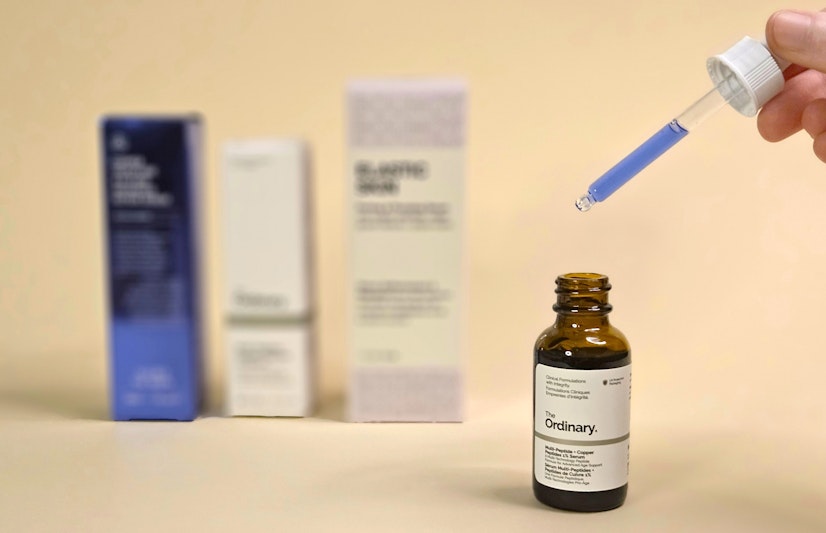
Because blends contain more than one active compound, there are some important research considerations: Composition transparency : Always check the specific product listing and accompanying Certificate of Analysis (COA) for the exact compounds and ratios included in a given blend batch, as formulations can differ between suppliers and batches Analytical complexity : HPLC and mass spectrometry analysis of a multi-component blend is inherently more complex than for a single compound, since multiple peaks must be correctly attributed Study design implications : Researchers studying interactions between compounds may specifically want a blend, whereas researchers isolating the effect of a single compound will generally want single-compound material like GHK-Cu Choosing Between a Single Compound and a Blend The right choice depends entirely on the research question: Studying the properties of a single, well-characterised compound single-compound peptides such as GHK-Cu are generally preferred for clarity of results Studying combined or comparative effects across multiple compounds a blend may be more appropriate, provided the exact composition is transparently documented Regulatory Note Neither GHK-Cu nor blended peptide products are licensed medicines or cosmetic ingredients approved for use on humans in the UK

What is Tirzepatides current research status