Targeting iron overload is crucial for treating ICH, and targeting FPN has shown potential in reducing neuronal death by inhibiting ferroptosis in aged ICH (Bao et al., 2020)

Advanced Testing and Monitoring For my patients with known or suspected hemochromatosis, I recommend comprehensive testing that goes beyond basic iron studies, including the approach I detail in my article on assessing your total toxic burden: Oxidative Stress Markers: Lipid peroxidation markers (malondialdehyde, F2-isoprostanes) Antioxidant enzyme levels (superoxide dismutase, catalase, glutathione peroxidase) Total antioxidant capacity Genetic Testing: Complete HFE genotyping (C282Y, H63D, S65C variants) Antioxidant enzyme genetic variants Detoxification pathway genetic analysis Comprehensive Toxin Assessment: Given the connection between iron overload and increased susceptibility to other environmental toxins, I often recommend testing for mycotoxins, heavy metals, and environmental chemicals as discussed in my toxic load assessment protocols
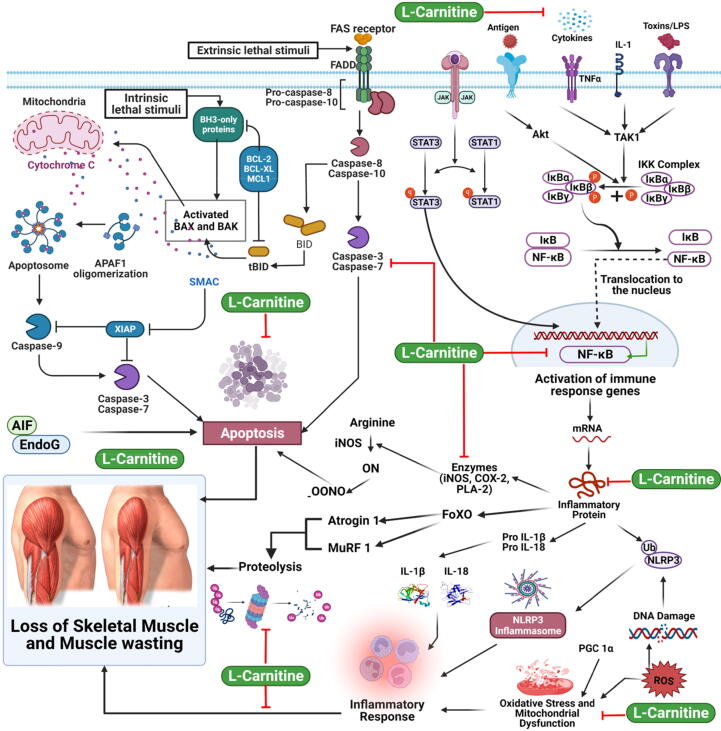
Before the target cells can use the fatty acids for ATP production and oxidation, the fatty acids with chain lengths of 14 or more carbons must be activated and subsequently transported into mitochondrial matrix of the cells in three enzymatic reactions of the carnitine shuttle
Furthermore, menin-mixed-lineage leukemia (MLL) inhibitors, such as MI-463, induced ferroptosis in several cancer cell lines[207]
Reduce your carbohydrate intake, increase your fat intake, and reap the rewards