TB500 10mg benefits Formation of new blood vessels leading to anti-inflammation and wound healing
Metformin: this medication, used to treat type 2 diabetes, can reduce the absorption of vitamin b12, increasing the risk of deficiency
Theres also the possibility of insulin resistancethe bodys lowered ability to regulate blood sugarwhich comes with its own metabolic risk factors, like kidney disease and type 2 diabetes
FDA Advisory Panel Votes to Loosen Rules on BPC-157, TB-500, and MOTS-C Despite Agency Scientists' Opposition An FDA advisory committee voted narrowly on July 23, 2026, to recommend that compounding pharmacies gain access to several popular peptide compounds, including BPC-157, KPV, TB-500, and MOTS-C, overriding explicit objections from the FDA's own career scientists and sparking an audible gasp in the meeting room when the tally was announced

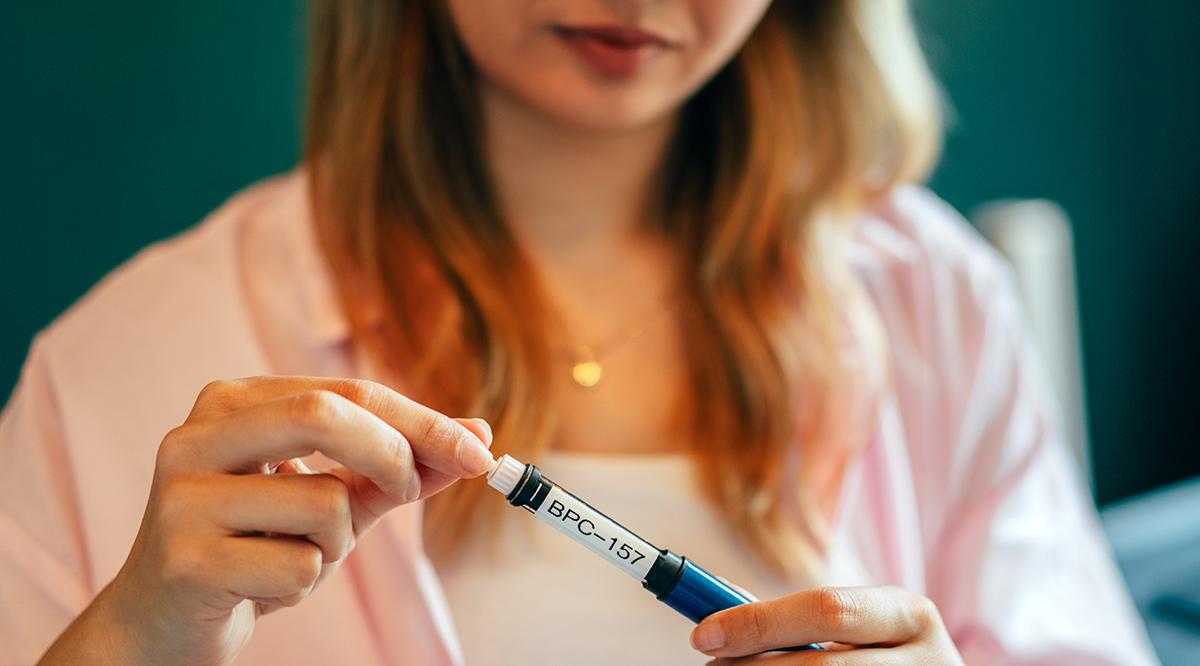
How to Inject BPC-157 Safely Under Medical Guidance Subcutaneous Injections: Simple and Effective Best for: Systemic healing or mild injuries Location: Abdomen or near the injured area Needle: 2931 gauge, inch Technique Clean vial top and skin with an alcohol pad Draw reconstituted peptide with a sterile syringe Pinch skin and inject at a 4590 angle Dispose of the needle properly Intramuscular Injections: Deeper Targeting Best for: Deep tissue, ligament, or tendon repair Needle: 2730 gauge, 1 inch Inject near injury site for maximum effect Rotate injection sites to prevent irritation Stacking BPC-157 With Other Peptides BPC-157 + TB-500 Goal: Accelerate healing and flexibility Protocol: BPC-157 250500 mcg daily (local injection) TB-500 25 mg weekly (divided doses) These two peptides complement each other: BPC-157 targets the injured tissue, while TB-500 promotes systemic healing