While B12 injections can support most adults, certain groups consistently benefit more than others: Vegans and vegetarians , given the limited B12 availability in plant-based diets Adults over 50 , as natural B12 absorption declines with age People with GI conditions such as Crohn's, celiac, IBS, or those who have undergone bariatric surgery Anyone on long-term medications that interfere with absorption (PPIs, metformin, certain antacids) Athletes and active individuals with elevated metabolic demand New and expectant mothers , particularly those breastfeeding Busy professionals managing chronic stress and high cognitive load If any of these describe you and the symptoms above sound familiar, a B12 injection is one of the lowest-friction, highest-value places to begin
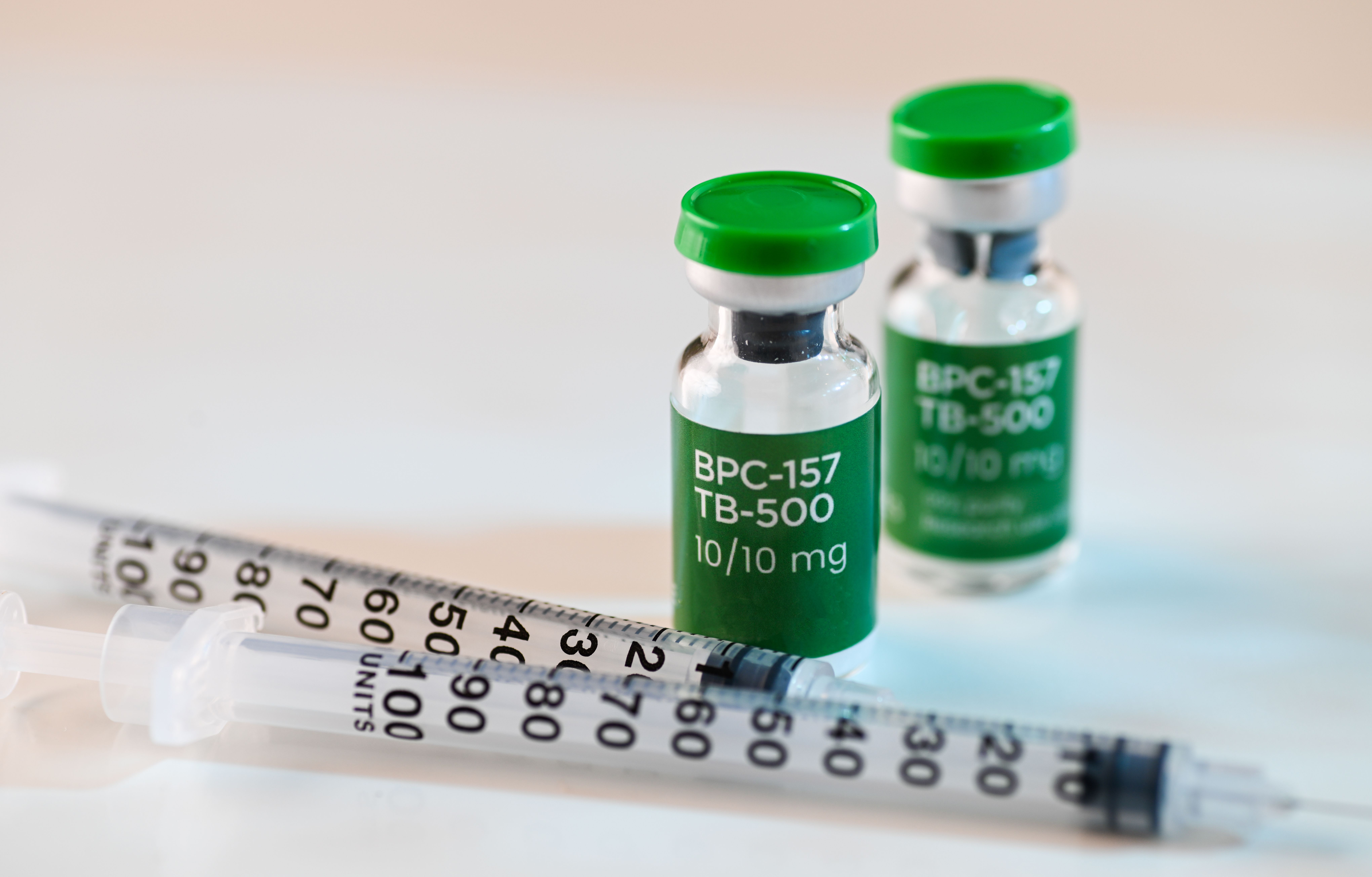
BPC-157 Research at a Glance For beginners who want to understand the science behind BPC-157, here are key research highlights: Over 100 published studies have examined BPC-157's effects across multiple body systems Animal studies show accelerated healing of tendons, muscles, ligaments, nerves, and gut tissue BPC-157 demonstrates a wide margin of safety in preclinical testing, with no observed lethal dose in animal models The peptide shows cytoprotective (cell-protecting) effects on multiple organ systems For a deeper look at the research, see our BPC-157 research review guide
Taking IGF-1 LR3 with some carbohydrates helps prevent blood sugar drops
Lets take a closer look at the signs of cobalamin deficiency in dogs: Poor Appetite: One of the first signs of low vitamin B12 levels in a dog is a decreased appetite
This is because various professional bodies have issued Guidelines to doctors and other health professionals on how to deal with the unfolding Covid-19 pandemic