Multiple clinical studies document GHRP-2 producing statistically significant cortisol and ACTH elevations alongside GH release
The best peptide companies, ranked The top peptide companies in the USA, scored out of ten on formulary relevance, clinical depth, price and transparency, accessibility, and reputation
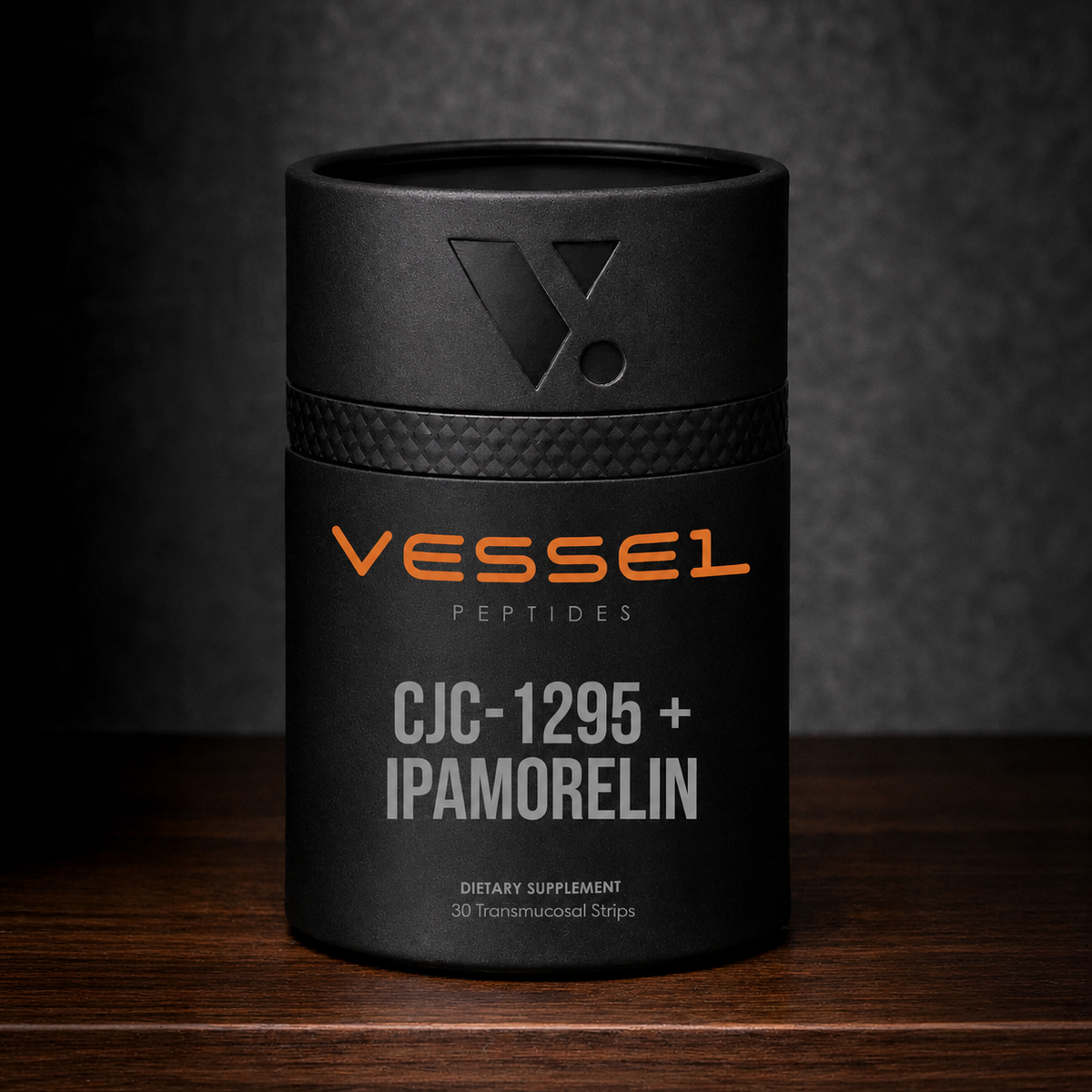
Description CJC-1295 NO DAC + Ipamorelin GHRH Analog & GHRP Research Blend Research Overview This is a research blend combining two distinct peptides that engage the growth hormone (GH) axis through complementary mechanisms: CJC-1295 (no DAC), a modified GHRH (growth hormone-releasing hormone) analog, and Ipamorelin, a selective ghrelin receptor (GHSR-1a) agonist functioning as a growth hormone-releasing peptide (GHRP)

Real Patient Case Studies Case Study #1: Executive Recovery and Body Recomposition Patient: 47-year-old male tech executive Chief Complaints: Poor recovery from workouts, increasing abdominal fat despite consistent exercise, declining sleep quality, mental fog Baseline Labs: IGF-1: 142 ng/mL (low for age) Testosterone: 387 ng/dL (low-normal) Body fat: 26% (DEXA) Visceral fat area: 187 cm (elevated risk) hs-CRP: 3.2 mg/L (elevated inflammation) Treatment Protocol: Weeks 1-4: Optimize testosterone to 700+ ng/dL using testosterone cypionate, address vitamin D deficiency (was 24 ng/mL) Weeks 5-20: Add sermorelin 300 mcg nightly, 6 days/week Weeks 21-32: Add tesamorelin 2 mg daily to target stubborn visceral fat 32-Week Results: IGF-1: 267 ng/mL (+89%) Body fat: 18.5% (-7.5 percentage points) Lean mass: +6.8 kg gained Visceral fat area: 98 cm (-48% reduction) hs-CRP: 0.8 mg/L (normalized) Sleep: Improved from 5.5 to 7.2 hours average, with 23% increase in deep sleep (Whoop tracking) Patient Report: The combination of testosterone optimization and peptides was transformative
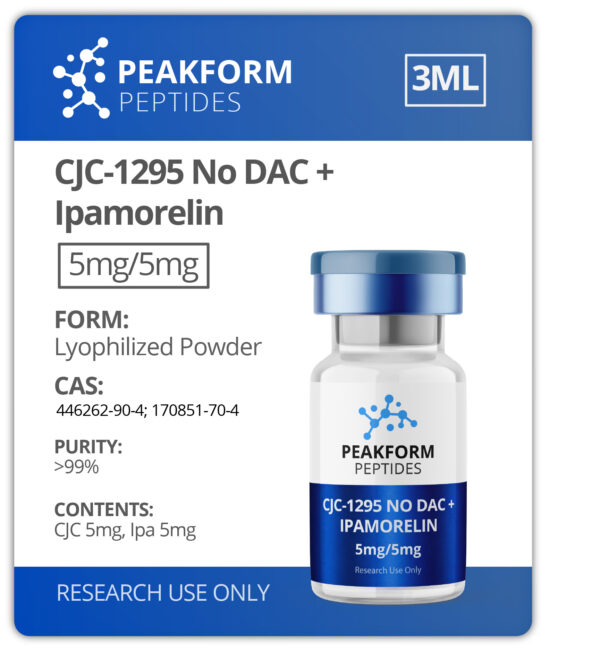
- Dosage: Start with a low dose of 250 mcg to 500 mcg per day to assess tolerance, then increase to 1 mg per day