Vol. XVIII · Free shipping $75+ · Read the collection
Feature · Product Review
glutathione toxicity in plants

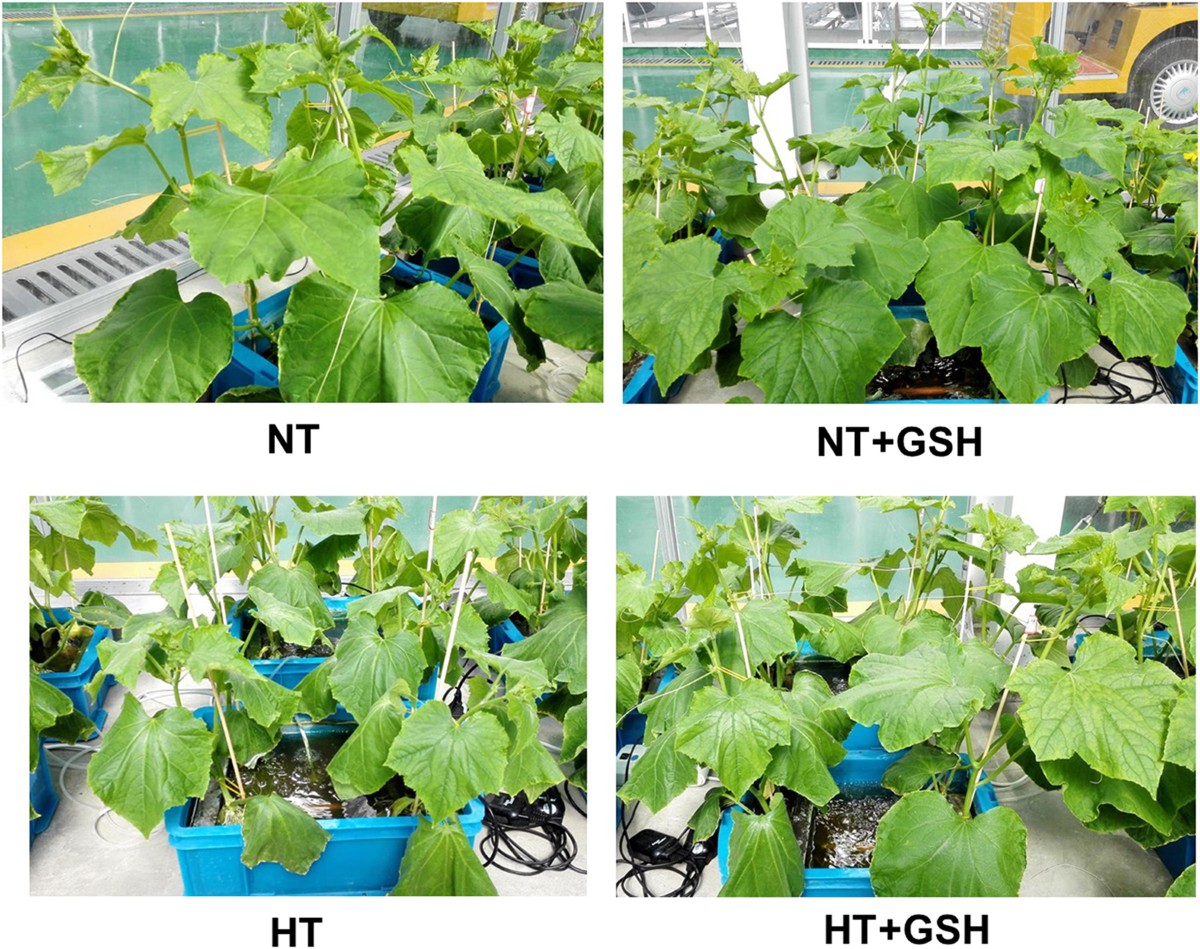
glutathione toxicity in plants Exogenous improves high root-zone temperature tolerance by modulating photosynthesis, antioxidant and osmolytes systems cucumber seedlings Exogenous hydrogen sulfide and methylglyoxal

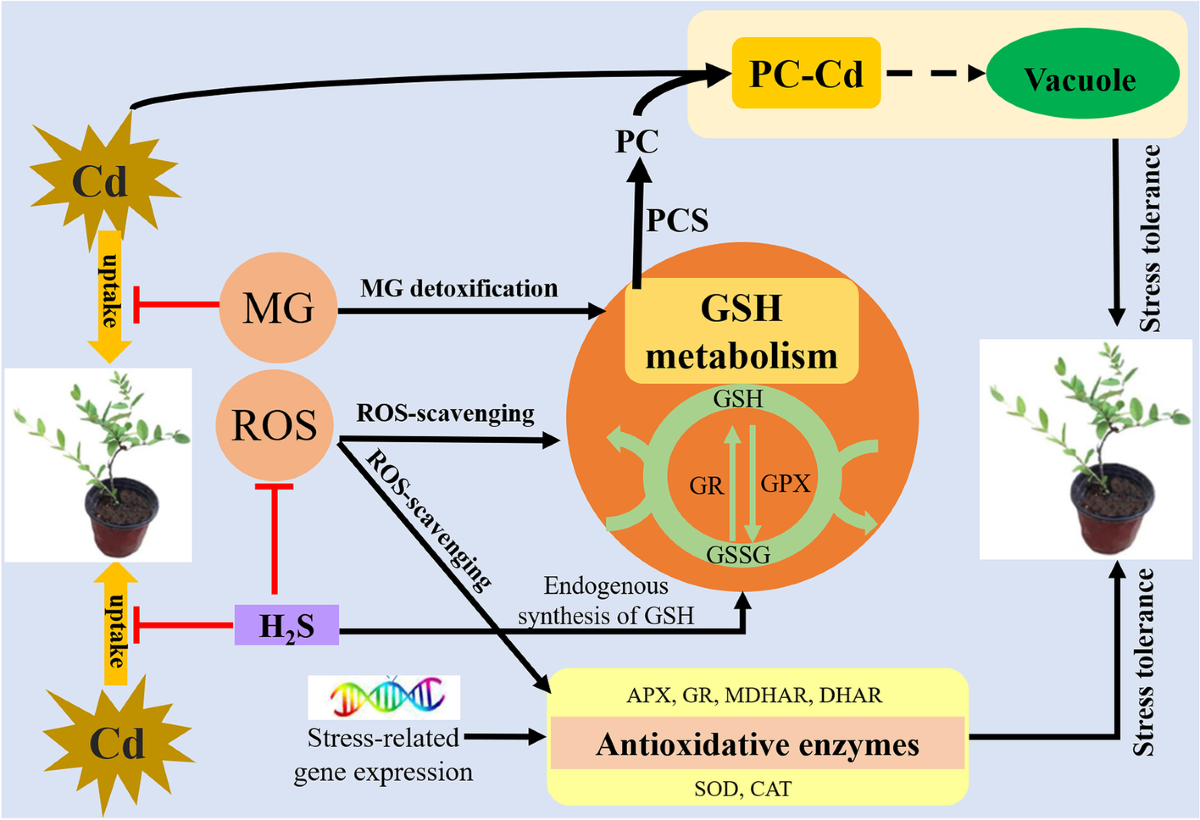
Exogenous hydrogen sulfide and methylglyoxal alleviate cadmium induced oxidative stress in Salix matsudana Koidz by regulating glutathione metabolism BMC Plant Biology Springer Nature Link Glutathione and biosensor technologies: Enhancing plant resilience to environmental stressors ScienceDirect Abscisic acid alleviates cadmium toxicity in oilseed rape plants by regulating its accumulation, subcellular distribution, and ascorbate glutathione cycle ScienceDirect PDF) Glutathione in Plant Growth, Development, and Stress Tolerance Deciphering proteomic mechanisms explaining the role of glutathione as an aid in improving plant fitness and tolerance against cadmium toxicity in Brassica napus L. ScienceDirect

SKU: 90740459292 · From psychiatrist-in-kuwait.com

4.2
USD26.65 USD69.65

Pay in 4 interest-free payments of $6.66 Learn more

Shipping Estimate
USA
  • USA
  • CAN

Ships within 48 hours · Estimated delivery Aug 3 - Aug 8
Description

Most labs these days are more concerned about locating that sweet spot between peptides and AMH, a marker for egg reserve

glutathione toxicity in plants Exogenous improves high root-zone temperature tolerance by modulating photosynthesis, antioxidant and osmolytes systems cucumber seedlings Exogenous hydrogen sulfide and methylglyoxal

Discussion Gap analysis Upon reviewing various studies on kratom toxicities, it has been observed that, to date, no scientific studies have directly found incidences of lethality

glutathione toxicity in plants Exogenous improves high root-zone temperature tolerance by modulating photosynthesis, antioxidant and osmolytes systems cucumber seedlings Exogenous hydrogen sulfide and methylglyoxal

doi: 10.1146/annurev-biochem-050410-100030 65

glutathione toxicity in plants Exogenous improves high root-zone temperature tolerance by modulating photosynthesis, antioxidant and osmolytes systems cucumber seedlings Exogenous hydrogen sulfide and methylglyoxal

* Correspondence: Yijing Tao [email protected] Juan Wang [email protected] Disclaimer All claims expressed in this article are solely those of the authors and do not necessarily represent those of their affiliated organizations, or those of the publisher, the editors and the reviewers

glutathione toxicity in plants Exogenous improves high root-zone temperature tolerance by modulating photosynthesis, antioxidant and osmolytes systems cucumber seedlings Exogenous hydrogen sulfide and methylglyoxal

Patients may be positioned lying down or sitting

glutathione toxicity in plants Exogenous improves high root-zone temperature tolerance by modulating photosynthesis, antioxidant and osmolytes systems cucumber seedlings Exogenous hydrogen sulfide and methylglyoxal
Exchange/Return Notes
  • We offer a 30-day return/exchange service after receiving.
  • Final sale items are not eligible for returns or exchanges.
  • To process your return/exchange, please contact us at [email protected]
  • Please click here for more details>>> Return & Exchange Policy

You may also like

recommand products