Today we understand so much more about the immune system and Thymosin Alpha-1 has become a valuable weapon in our arsenal to help patients build resilient immunity

According to a 2018 review, GHK-Cu as a cosmetic ingredient has demonstrated the ability to:3 Tighten loose skin Reverse age-related skin thinning Repair the skins protective barrier proteins Improve skin firmness and elasticity Reduce the appearance of fine lines and wrinkles Smooth rough skin Stimulate wound healing Lessen the appearance of photodamage (sun damage), hyperpigmentation, skin spots, lesions, and more Reduce inflammation and damage from free radicals Increase hair growth and thickness Additionally, in research from 2015, the authors noted that GHK-Cu may be able to stimulate collagen, regulate the skin remodeling process, attract immune cells to the site of an injury, and restore replicative vitality to fibroblasts (a cell that helps form connective tissue) in patients whove undergone radiation therapy for cancer.2 6 GHK-Cu isnt limited to topical/cosmetic forms, however

How MOTS-c Works: The Mechanism Activating AMPK The most well-known mechanism of MOTS-c is activation of AMP-activated protein kinase (AMPK)
Management: Apply pressure for 30 seconds after withdrawing the needle
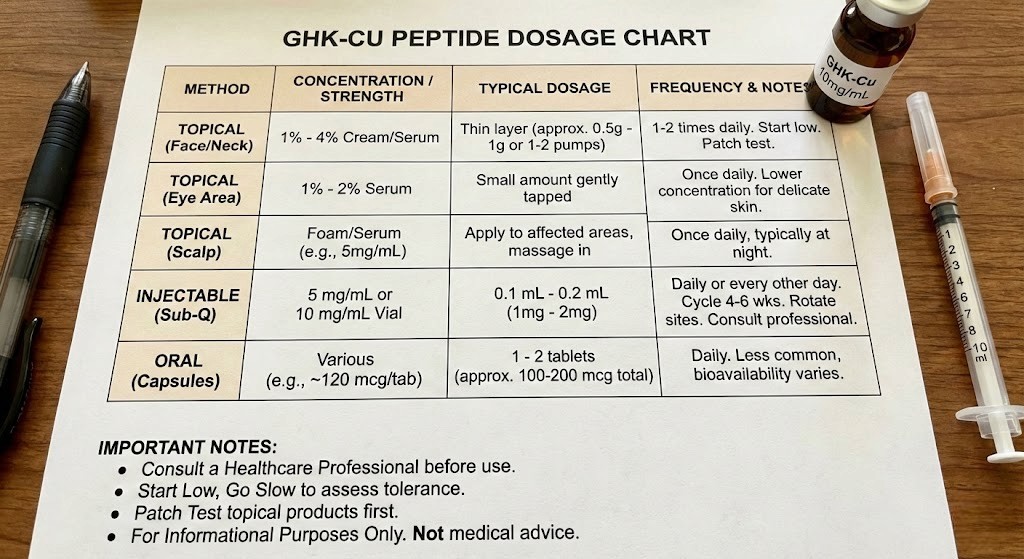
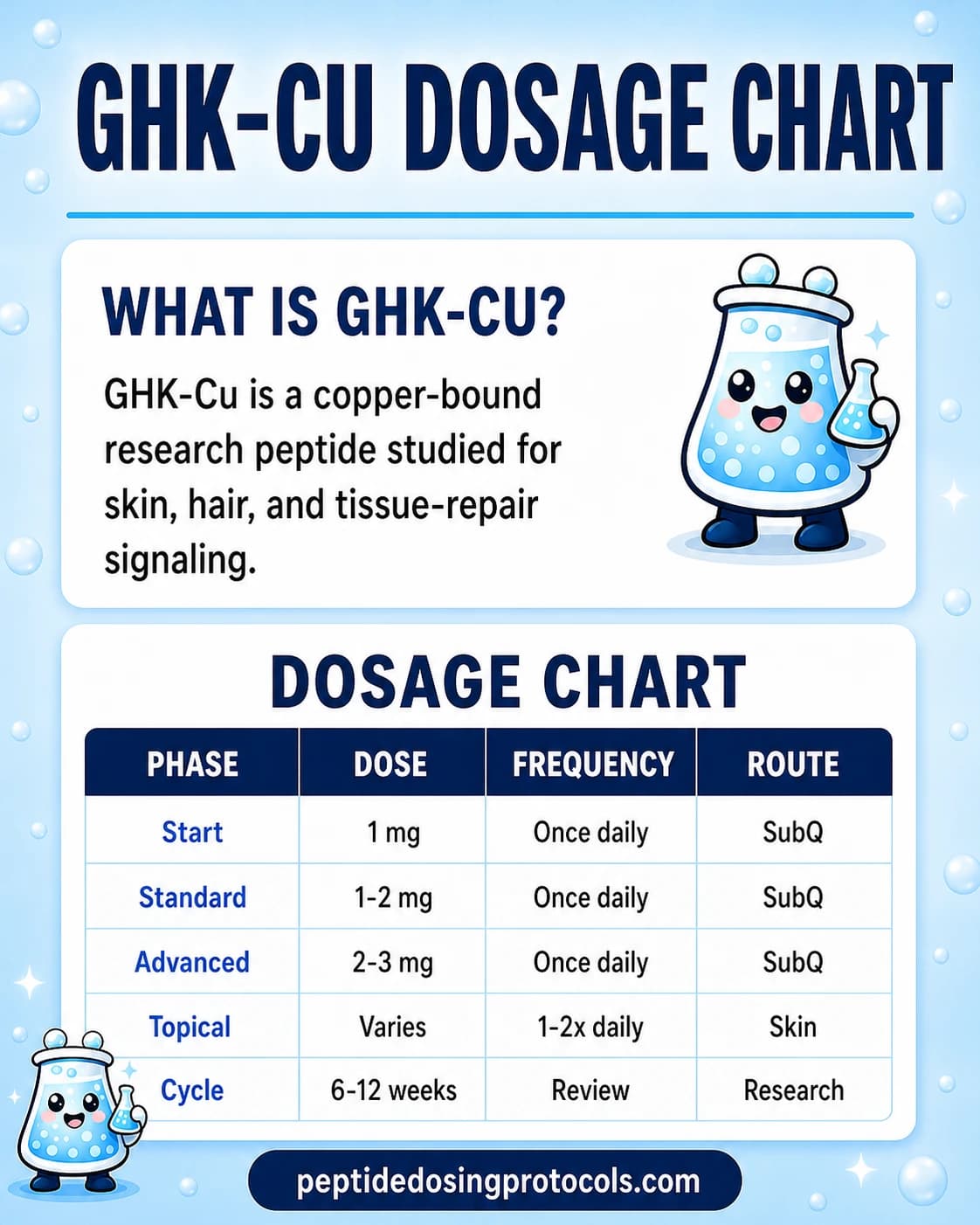
In one mouse study, researchers found that the peptide reduced the pain felt by the animals in their paws when placed on a mildly hot plate. The authors explained that this could be because GHK is similar in structure to cimetidine, a histamine H2 receptor antagonist sometimes given to reduce pain in certain digestive conditions.3 10 In rodents, doses as low as 0.5mg/kg were found to be effective in delivering these anti-pain effects.25 In a 70kg human, an equivalent dose would be around 5.6mg, though thats likely higher than necessary: pharmaceutical-grade GHK-Cu normally ranges from 0.5 mg to 2.5mg per injection