General categories of individuals who explore Dihexa in supervised clinical settings include: Adults experiencing age-related cognitive decline, memory concerns, or executive function challenges Patients pursuing adjunct neurological support following TBI or other brain injury Individuals researching evidence-informed options in the context of early neurodegenerative conditions, alongside conventional care High-cognitive-demand professionals seeking evidence-informed brain optimization under medical supervision Patients completing or complementing a cerebrolysin protocol who seek structural synaptogenic support Dihexa therapy at Robertson Wellness and Aesthetics, Beverly Hills At RWA Center in Beverly Hills, Dihexa is offered as part of a supervised neuropeptide therapy program
Keeping the dose-versus-vial distinction crisp is the single most important literacy point for reading any of these protocols, and it is the difference between a 20-unit starting draw and a dangerous overdose
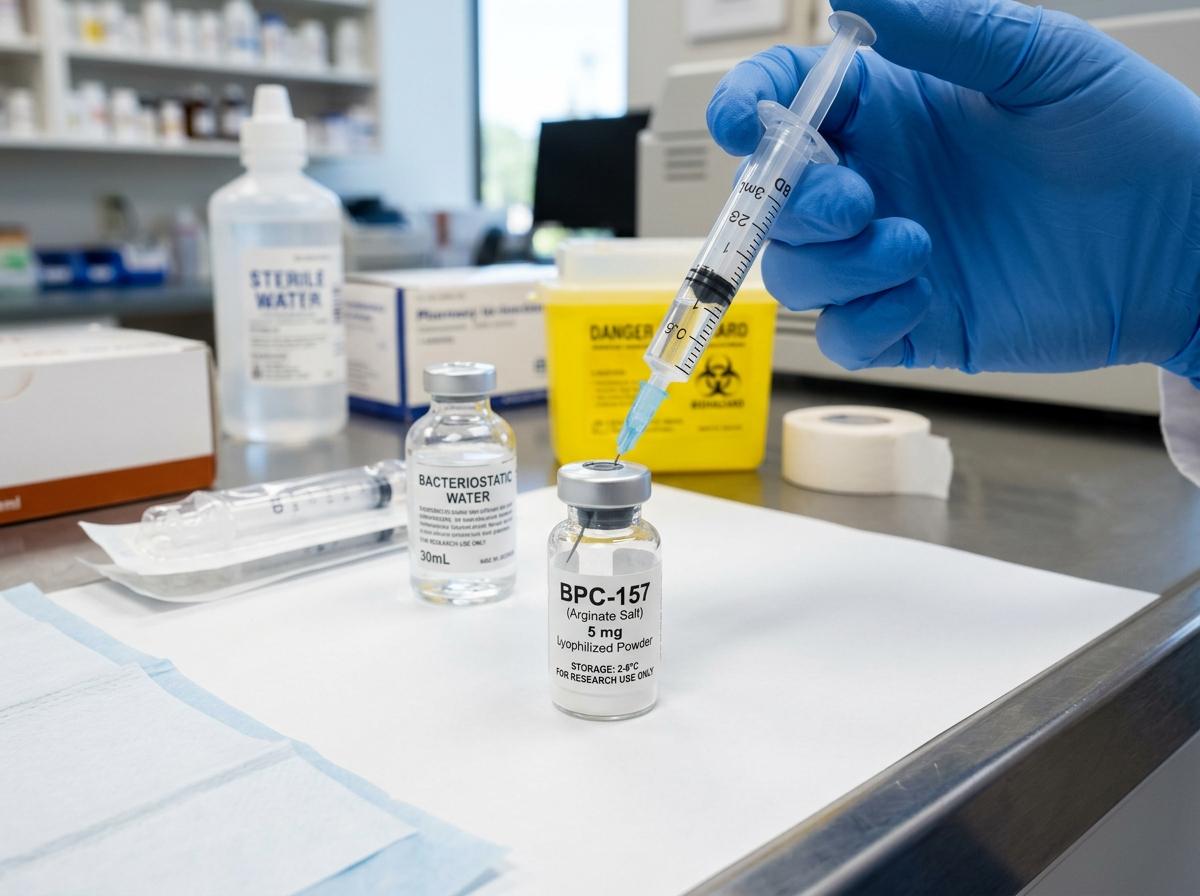
There is no TGA-registered BPC-157 product for therapeutic use in Australia, and as of June 2024 BPC-157 is a Schedule 4 (prescription-only) substance, meaning any legal supply must come through a doctors prescription via a compounding pharmacy
Even with a favorable advisory committee vote, the FDA requires formal rulemaking before compounding pharmacies can act
human evidence is still emerging.) Musculoskeletal injury or post-surgical recovery Chronic tendonitis, ligament sprains, or joint pain Athletes or active individuals with overuse injuries Patients with GI inflammation or ulcerative symptoms Individuals seeking regenerative or anti-inflammatory support Generally well-tolerated in available data, but may include: Mild redness or irritation at injection site Transient headache, nausea, or dizziness (rare) Potential for allergic reaction (rare) Not FDA-approved