MOTS-C + GHK-Cu GHK-Cu drives cellular regeneration, collagen synthesis, and anti-inflammatory signaling
Multiple amylin receptors arise from receptor activity-modifying protein interaction with the calcitonin receptor gene product
In one mouse study, researchers found that the peptide reduced the pain felt by the animals in their paws when placed on a mildly hot plate. The authors explained that this could be because GHK is similar in structure to cimetidine, a histamine H2 receptor antagonist sometimes given to reduce pain in certain digestive conditions.3 10 In rodents, doses as low as 0.5mg/kg were found to be effective in delivering these anti-pain effects.25 In a 70kg human, an equivalent dose would be around 5.6mg, though thats likely higher than necessary: pharmaceutical-grade GHK-Cu normally ranges from 0.5 mg to 2.5mg per injection
This was predicted to stabilise the N-terminal -helix (5-18) of the peptide through formation of an intramolecular salt bridge, as observed in a crystal structure of CagriBB fused at the C-terminal end of maltose-binding protein (PDB:7BG0) 2
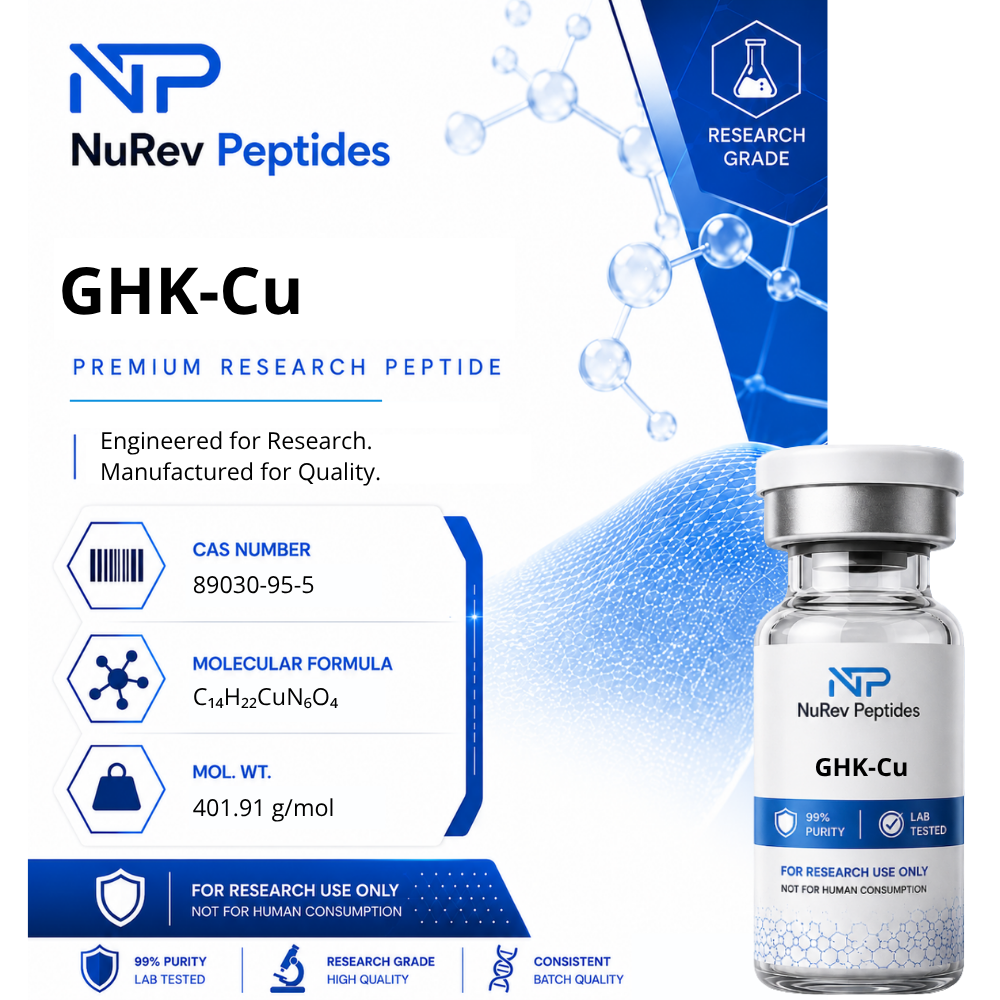
This high-purity GHK-Cu copper peptide is supplied as a freeze-dried (lyophilised) powder to ensure stability, precision, and reproducibility in controlled scientific environments