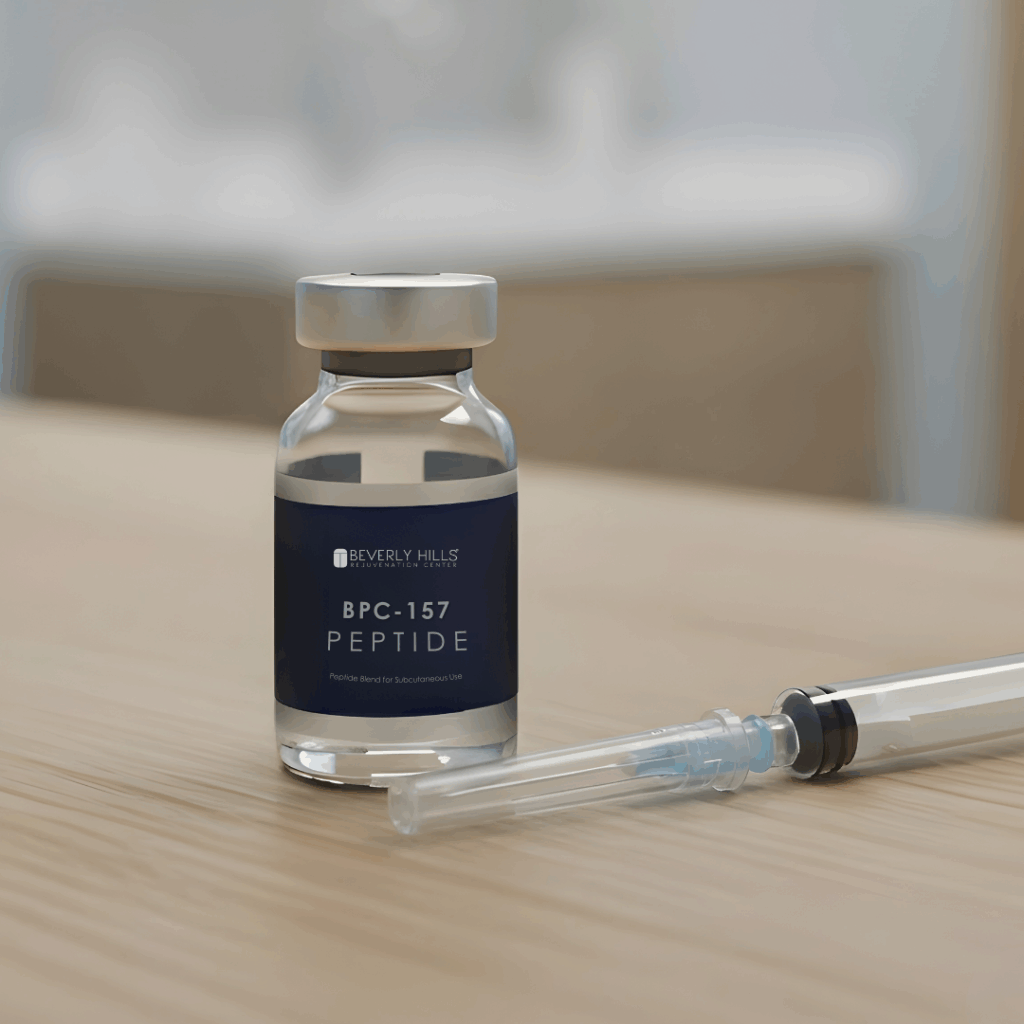
BPC-157 (Body Protection Compound) Synthetic 15-amino-acid sequence derived from human gastric juice protein Among the most studied peptides for connective tissue and gut research Stable in both lyophilized and solution form, making it a catalog staple TB-500 (Thymosin Beta-4 Fragment) Synthetic analog of a naturally occurring protein found in nearly all human cells Frequently paired with BPC-157 in research protocols Longer chain than most peptides, requiring stricter cold-chain handling GHK-Cu (Copper Peptide) Copper-binding tripeptide with a more synthesis-sensitive production process Vendors that stock it consistently have invested in proper formulation infrastructure A reliable marker of catalog seriousness beyond entry-level suppliers Beyond these three, a complete research catalog should include CJC-1295, Ipamorelin, Selank, Epithalon, Pinealon, and Tesamorelin

Wound Healing and Tissue Regeneration Preliminary in vitro and animal model studies suggest that BPC-157 may influence angiogenic factors, collagen production, and inflammatory responses, supporting comprehensive healing processes [2]
BLL Peptides currently offers BPC-157 in a 10mg (3ml) vial format
doi:10.3389/fped.2017.00232 Testosterone, aging, and the mind Harvard Health
Chow EC, Durk MR, Cummins CL, Pang KS