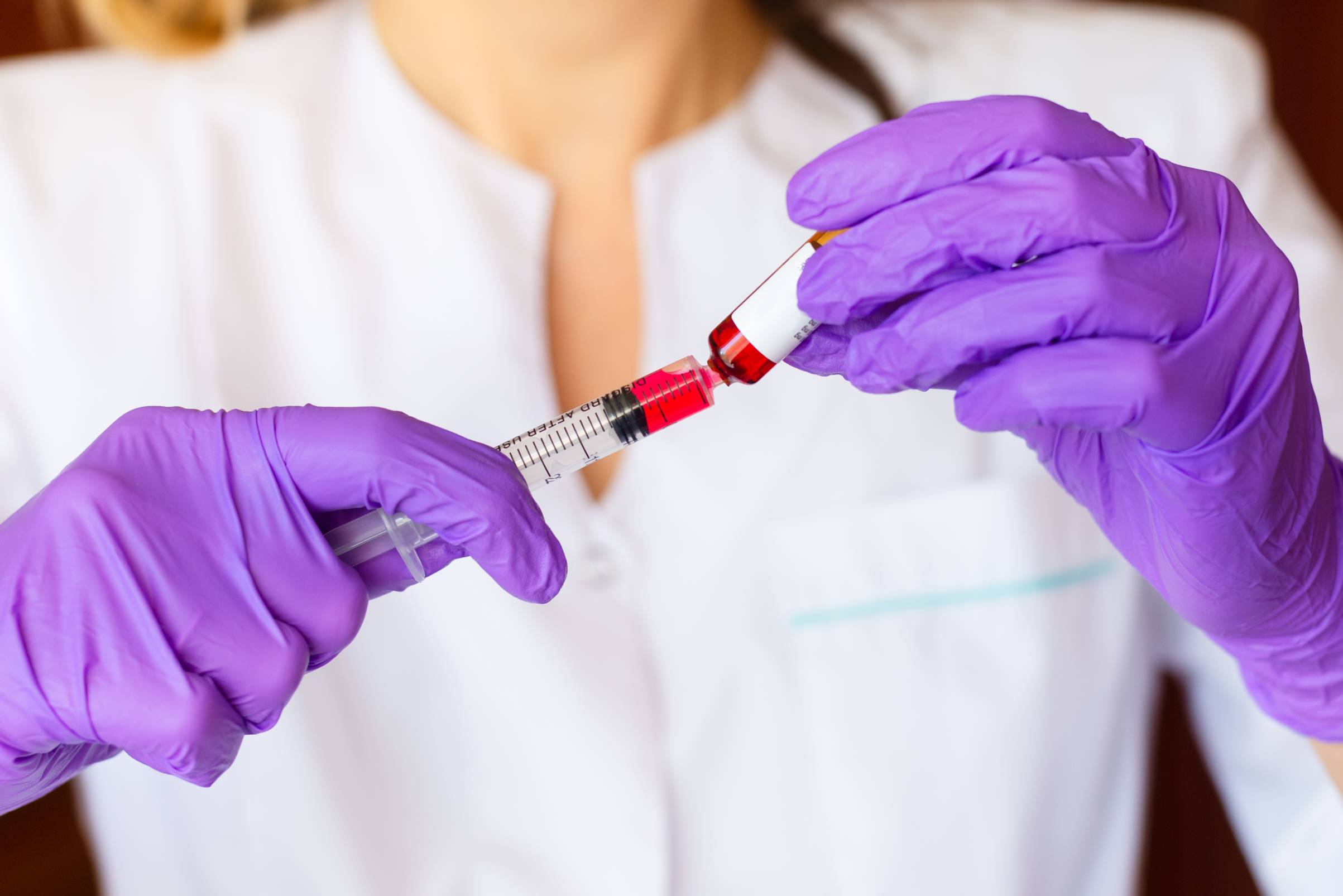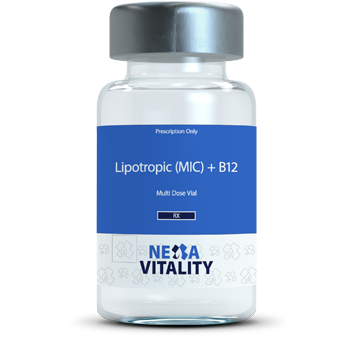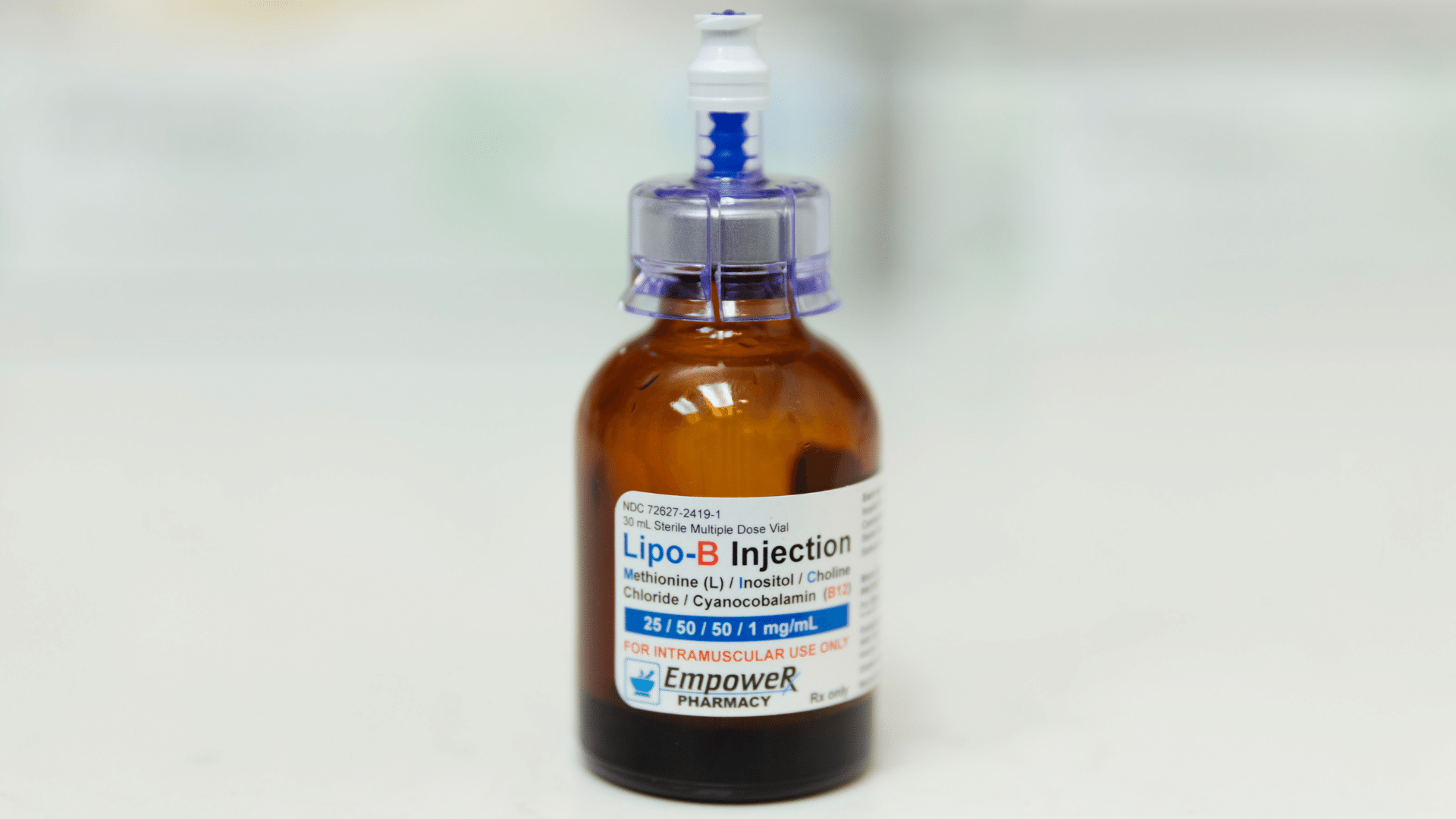
Each COA reports results from third-party laboratory analysis, including: High-performance liquid chromatography (HPLC) for purity, typically confirmed at 99% or higher Liquid chromatography mass spectrometry (LC-MS) for molecular identity and mass confirmation Sterility and endotoxin screening where applicable Chemical contaminant and residual solvent checks COAs are sourced from independent certified labs rather than in-house testing alone, giving researchers a verifiable record of molecular integrity for each batch

Research use only Not for human consumption Not intended to diagnose, treat, cure, or prevent disease Wear appropriate personal protective equipment (laboratory coat, gloves, and eye protection) Handle using aseptic laboratory techniques where appropriate Store under recommended refrigeration or frozen conditions Avoid repeated freezethaw cycles after reconstitution Clearly label all prepared solutions and research samples Dispose of waste according to institutional and local laboratory regulations Human safety, pharmacokinetic, and long-term toxicology data remain limited Conclusion 5-Amino-1MQ has emerged as an important investigational compound for studying nicotinamide N-methyltransferase and its role in metabolic regulation
BPC-157 is a synthetic peptide derived from a protective compound found in human gastric juice
The key is to combine peptides with complementary mechanisms of action: Tissue-specific repair (BPC-157, TB500) Systemic anabolic support (GH/IGF-1 secretagogues) Sleep optimization to drive overall recovery Here are some of the most effective recovery stacks: 1
for example, mild nausea or even mild diarrhea can occur in response to the sudden influx of nutrients